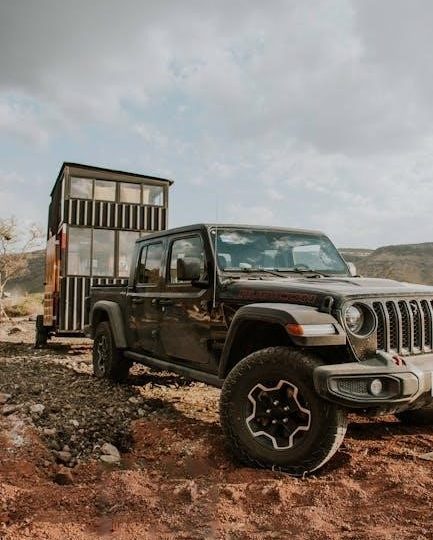
Proper wheel offset is crucial for your Jeep Wrangler’s stance, performance, and style. This guide helps you measure, choose, and achieve perfect fitment effortlessly.
What is Wheel Offset and Why is it Important?
Wheel offset is the distance from the wheel’s mounting surface to its centerline, measured in millimeters. It determines how the wheel sits on the vehicle and affects both performance and style. Proper offset ensures correct fitment, preventing rubbing against fenders or suspension components. For Jeep Wranglers, especially with modifications like lift kits or larger tires, correct offset is crucial for maintaining stability, handling, and proper clearance. Incorrect offset can lead to poor performance, uneven tire wear, or even damage to the vehicle, making it essential to choose the right offset for optimal functionality and aesthetics.
How Wheel Offset Affects Performance and Style
Wheel offset significantly impacts both performance and aesthetics. A correct offset ensures proper tire clearance, preventing rubbing against fenders or suspension components. It also enhances handling and stability by maintaining even weight distribution. From a style perspective, the right offset achieves the desired stance, making the vehicle look more aggressive or sleek. Incorrect offset can compromise performance, leading to uneven tire wear or poor traction, while also affecting the vehicle’s visual appeal by causing wheels to protrude awkwardly or sit too far inward.
Understanding Jeep Wrangler Wheel Offset
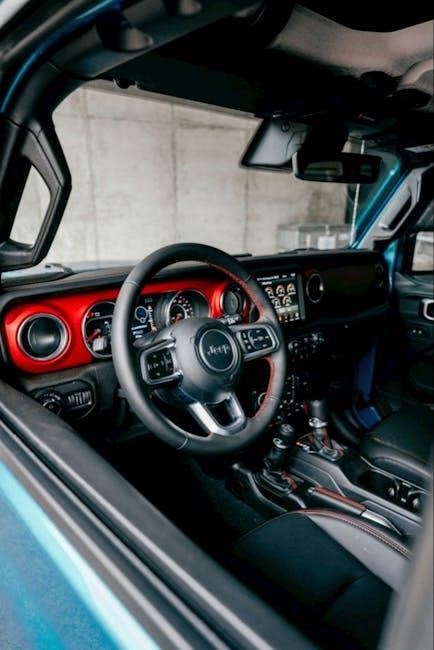
Understanding Jeep Wrangler wheel offset is essential for optimizing performance and style. It involves measuring and selecting the right offset to ensure proper fitment and enhance your vehicle’s stance.
What is Wheel Offset?
Wheel offset is the distance from the wheel’s mounting surface to its centerline, measured in inches. It determines how the wheel sits relative to the hub’s mounting flange. A proper offset ensures the tire does not rub against the fender or suspension components, maintaining both aesthetics and functionality. Correct offset is crucial for your Jeep Wrangler’s stance, stability, and performance, making it a key factor in both stock and custom wheel setups.
How to Measure Wheel Offset
Measuring wheel offset involves determining the distance from the wheel’s centerline to its mounting surface. Use a ruler or caliper for accuracy. Align the tool with the centerline and measure to the mounting flange. Positive offset means the flange is closer to the outside, while negative offset indicates it’s closer to the inside. Ensure all four wheels have the same offset for proper fitment. Consult a chart or guide specific to your Jeep Wrangler model to confirm the correct offset, considering wheel width and stance requirements.
Factory Wheel Offset Options for Different Models
Factory wheel offsets for Jeep Wranglers vary by model and year, ensuring optimal fitment and performance. For example, the JK model often features a +35mm to +50mm offset, while the JL model may range from +40mm to +55mm. These offsets are designed to accommodate different wheel widths and lift kits. Always refer to official Jeep specifications or online charts for precise measurements tailored to your vehicle’s make, model, and year to maintain proper fitment and style.
Choosing the Right Wheel Offset for Your Jeep Wrangler
Consider your Jeep’s setup, desired stance, and performance needs. Use online charts and guides to select the ideal offset for optimal fitment and style.
How to Determine the Ideal Offset for Your Setup
To find the perfect offset, measure your Jeep’s current setup, including lift kits and wheel width. Consider backspacing and clearance needs. Use online charts to match your Wrangler’s year and trim. Test different offsets visually or with temporary setups to ensure proper fitment. Ensure the offset complements your tire size and suspension modifications for optimal performance and aesthetics. Proper alignment ensures safety and prevents damage to your Jeep’s components.
Factors to Consider When Selecting Wheel Offset
When choosing the right offset, consider your Jeep’s lift kit, wheel width, and backspacing. Tire size and suspension modifications also play a role. Ensure the offset provides proper clearance for steering and suspension components. Aesthetics, such as how flush the wheels sit, are important for style. Compatibility with your Wrangler’s make and model year is crucial. Always reference factory specifications and online charts to avoid fitment issues. Proper offset ensures safety, performance, and a seamless look for your Jeep.
Wheel Width and Offset Relationship
Wheel width and offset are closely linked, as offset determines the centerline based on width. This relationship is vital for proper fitment and performance.
How Wheel Width Impacts Offset
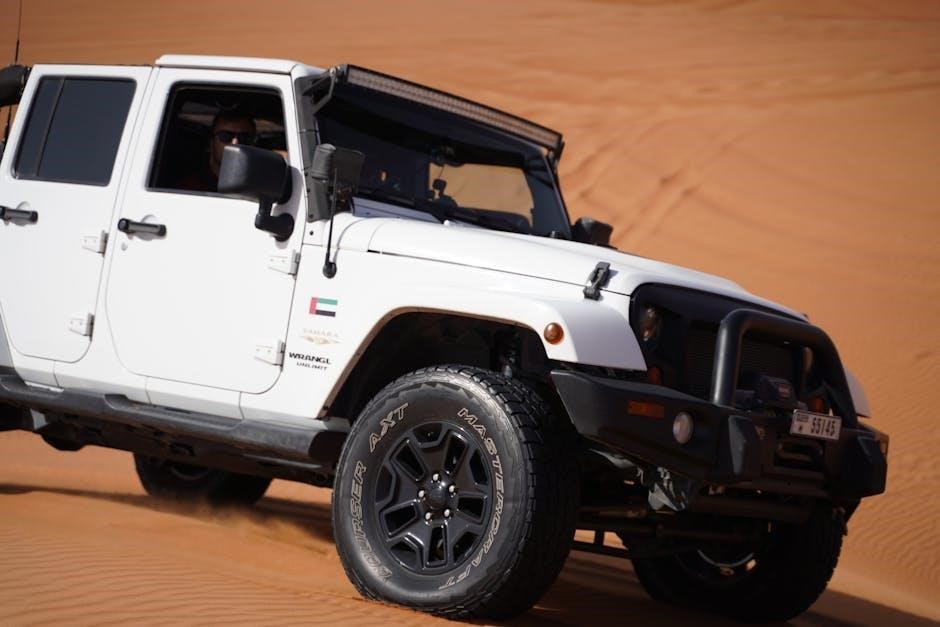
Wheel width directly influences offset, as wider wheels require specific offsets to maintain proper fitment. A wider wheel typically demands a higher positive offset to prevent rubbing and ensure stability. Conversely, narrower wheels may use lower offsets for clearance. The relationship between width and offset is crucial for both performance and aesthetics, ensuring your Jeep Wrangler’s wheels sit correctly within the fenders. Understanding this balance helps in selecting the right combination for optimal stance and functionality.
Popular Wheel Sizes for Jeep Wrangler (15″ to 22″)
Jeep Wrangler owners often choose wheel sizes between 15″ and 22″ for optimal performance and style. Smaller sizes like 15″ to 17″ are popular for off-road use, offering better tire clearance. Larger sizes, such as 18″ to 22″, enhance aesthetics and are ideal for on-road driving. The choice depends on lift kits, tire size, and desired stance. Compatibility varies between models like JK and JL, so consulting specific guides ensures proper fitment. Popular setups balance functionality and visual appeal, making wheel size a key decision for customization.
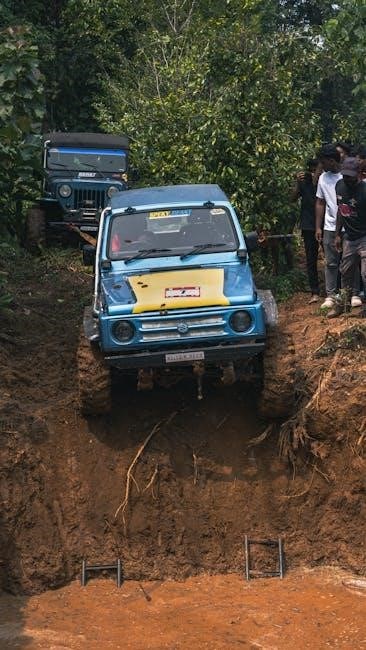
Backspacing vs. Offset: What’s the Difference?
Backspacing measures the distance from the wheel’s mounting surface to its inner edge, while offset measures from the centerline to the mounting surface. Both are crucial for proper fitment and performance.
Understanding Backspacing
Backspacing measures the distance from the wheel’s mounting surface to its inner edge. It directly impacts how tires fit within the wheel wells and affects ground clearance. Proper backspacing ensures tires don’t rub against suspension components or fenders, maintaining optimal performance and safety. For Jeep Wranglers, especially those with lift kits or larger tires, accurate backspacing is critical to achieve the desired stance and avoid interference. Understanding this metric is essential for selecting wheels that complement your Jeep’s modifications and maintain its rugged capability.
How Backspacing and Offset Work Together
Backspacing and offset are closely related but distinct measurements that determine how a wheel sits on a Jeep Wrangler. While offset measures the distance from the wheel’s centerline to its mounting surface, backspacing calculates the distance from the mounting surface to the inner edge of the wheel. Together, they ensure proper tire fitment within the wheel wells, preventing rubbing against suspension components or fenders. For lifted Jeeps or those with larger tires, balancing these measurements is crucial for optimal performance and safety. Understanding their relationship helps achieve the perfect stance and functionality.
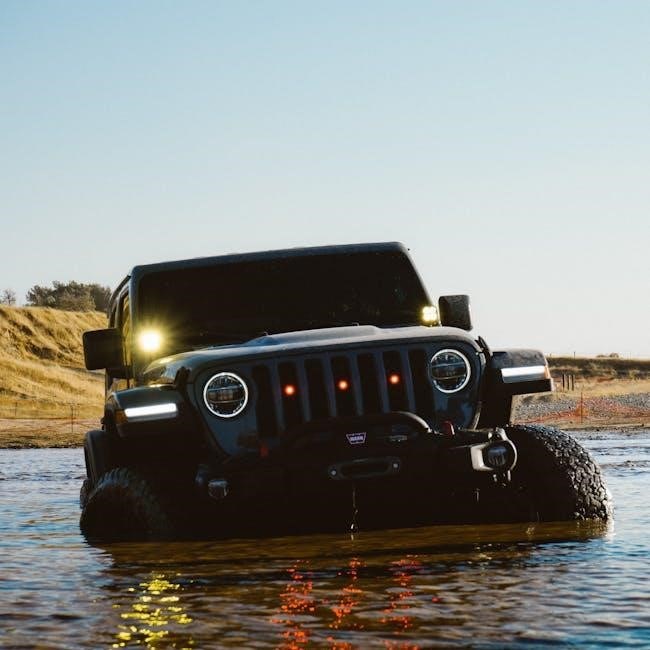
Jeep Wrangler Wheel Offset Compatibility
Wheel offset varies by model year and trim, affecting compatibility. Always check specific charts to ensure proper fitment for your Jeep Wrangler’s setup and avoid issues.
JK vs. JL Wheel Compatibility
While JK and JL Jeep Wrangler wheels may appear interchangeable, differences in offset and backspacing can lead to fitment issues. Always verify compatibility using online charts specific to your model year and trim to ensure proper fitment and avoid performance problems. Wheel offset varies between these models, so checking compatibility is essential for optimal performance and style.
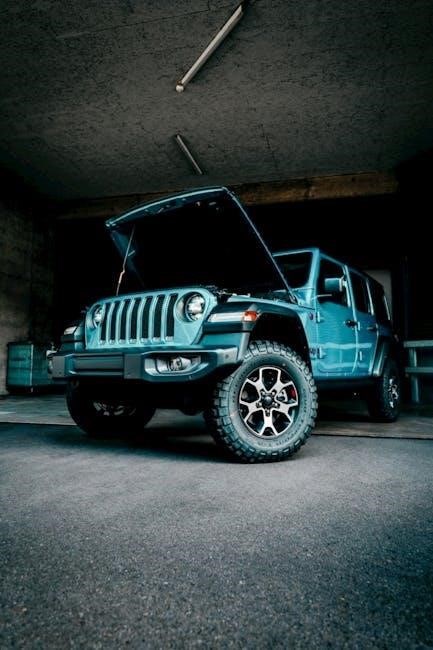
Can You Use Wheels from Older Models on Newer Jeeps?
Using wheels from older Jeep models on newer ones is possible but requires careful consideration. Offset and backspacing must match to ensure proper fitment and performance. Always consult compatibility charts to verify specifications for your specific Jeep Wrangler model year and trim. Mismatched wheels can lead to issues with handling and style, so thorough research is essential before making a switch.
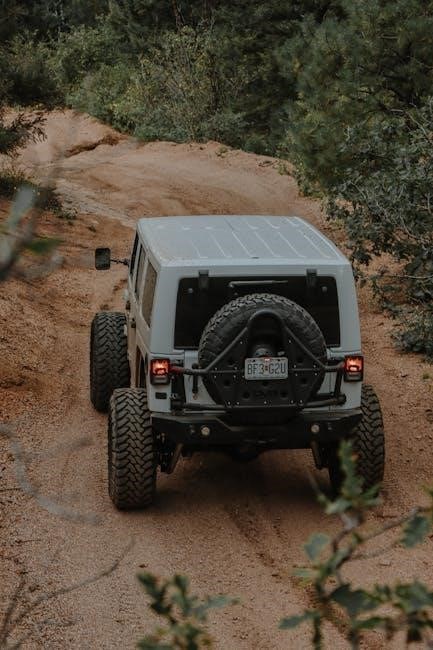
Customizing Your Jeep Wrangler’s Wheels
Customizing your Jeep Wrangler’s wheels enhances both style and performance. Achieve the perfect stance with expert tips on selecting the right wheels and tires for your setup.
How to Achieve the Perfect Stance
Achieving the perfect stance for your Jeep Wrangler involves balancing aesthetics and functionality. Start by measuring your current wheel offset and comparing it to your desired setup. Consider wider wheels or adjustable spacers to enhance both style and performance. Lift kits can also play a role in altering your vehicle’s stance, so ensure proper alignment after installation. Customization allows you to tailor your Jeep’s look, but always prioritize fitment to avoid rubbing or handling issues. With careful planning, you can create a stance that reflects your unique style while maintaining optimal performance.
Tips for Customizing Wheel Offset
Customizing your Jeep Wrangler’s wheel offset requires careful planning. Start by measuring your current setup and comparing it to your desired stance. Use wheel spacers or adapters to fine-tune the offset without compromising fitment. Consider upgrading to wider wheels for enhanced stability and style. Always ensure proper alignment after modifications to maintain handling and prevent uneven tire wear. Consult online charts for your specific model to verify compatibility. Testing your setup on a lift or with different loads can help refine the perfect balance of form and function.
Impact of Lift Kits on Wheel Offset
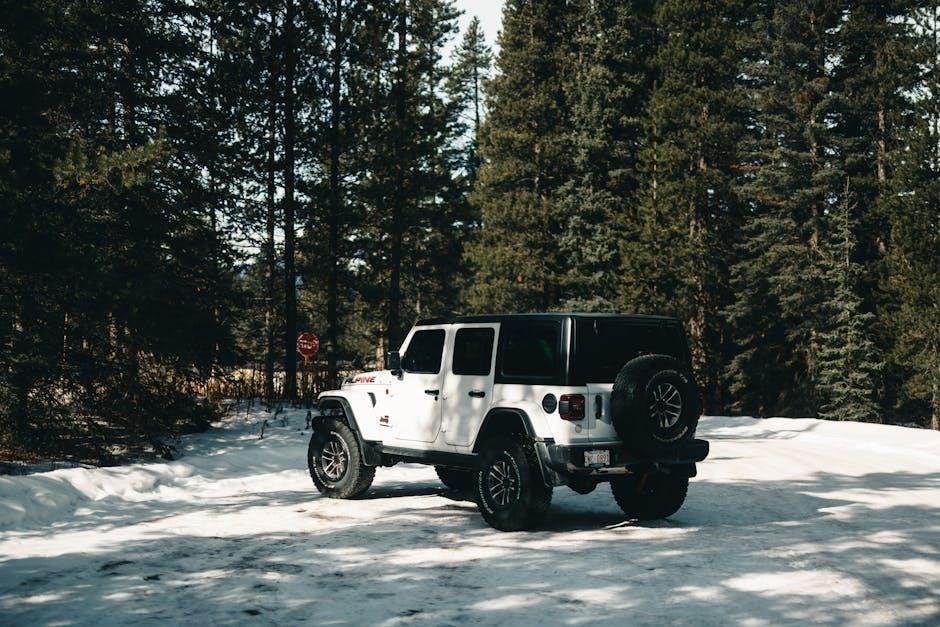
Lift kits affect the wheel offset, altering the Jeep Wrangler’s stance and alignment. Proper adjustments are essential for optimal performance and to avoid fitment problems.
How Lift Kits Affect Wheel Fitment
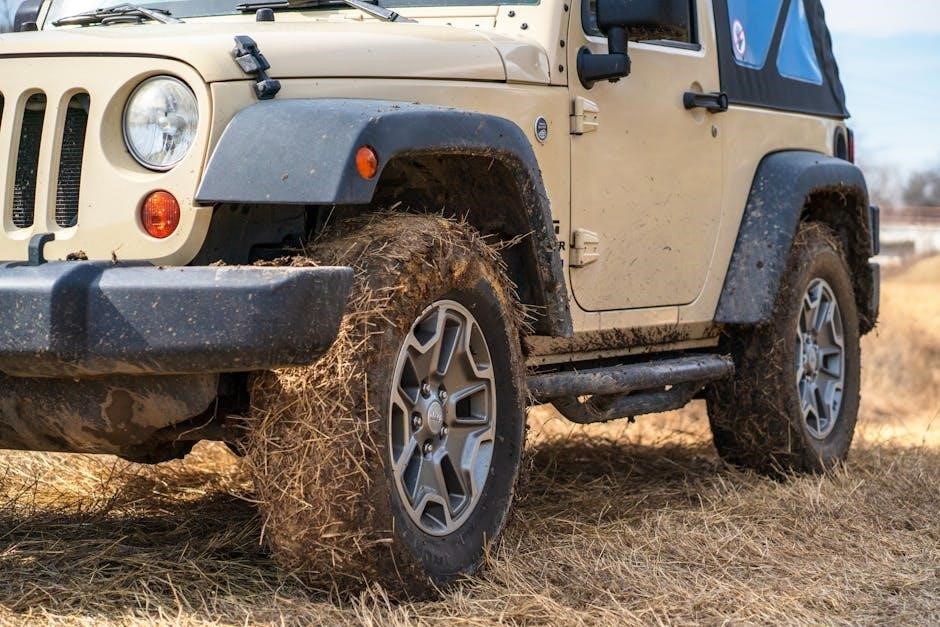
Lift kits raise the Jeep Wrangler, altering its suspension and steering geometry, which can change how wheels fit. The increased height may cause wheels to protrude or sit differently, potentially leading to rubbing or uneven tire wear. This makes adjusting the wheel offset crucial to maintain proper alignment and ensure the tires don’t contact the fenders or other components. Without correct adjustments, handling and stability can suffer, emphasizing the need for precise modifications to achieve optimal performance and safety.
Adjusting Offset After Installing a Lift Kit
After installing a lift kit, adjusting the wheel offset is essential to ensure proper fitment and prevent issues like rubbing or uneven wear. Adding wheel spacers or switching to wheels with a different offset can help achieve the desired stance. It’s crucial to consult online charts specific to your Jeep Wrangler’s trim and year to find the correct measurements. Always test the fitment by turning the wheels fully and checking clearance. Proper adjustments will restore optimal performance, stability, and safety, ensuring your Jeep Wrangler looks and drives its best.
Common Mistakes to Avoid
Common mistakes include incorrect offset measurements, ignoring lift kit effects, and assuming JK and JL wheel compatibility. Always consult specific guides to avoid fitment issues.
Mistakes When Measuring or Choosing Offset
Common errors include mismeasuring wheel offset, neglecting lift kit impacts, and assuming compatibility across Jeep models. Always use precise tools and consult specific guides to avoid costly issues.
How to Avoid Fitment Issues
To prevent fitment problems, ensure accurate measurements, consider lift kits, and verify compatibility between models. Use online charts and expert guides tailored to your Jeep Wrangler’s specific year and trim.
Tools and Resources for Proper Fitment
Essential tools include a wheel offset gauge and tape measure. Use online charts and compatibility guides tailored to your Jeep Wrangler’s year and trim for accuracy.
Essential Tools for Measuring Wheel Offset
To accurately measure wheel offset, you’ll need a wheel offset gauge and a tape measure. The gauge helps determine the distance from the wheel’s mounting surface to its centerline, while the tape measure ensures precise backspacing calculations. These tools are indispensable for achieving proper fitment and avoiding costly mistakes. Always refer to your Jeep Wrangler’s specifications to ensure compatibility and optimal performance.
Online Charts and Guides for Jeep Wrangler Owners
Online charts and guides are invaluable for determining the correct wheel offset for your Jeep Wrangler. These resources provide detailed specifications for various models, including JK and JL, ensuring compatibility. By referencing these guides, you can avoid fitment issues and select the ideal offset for your setup. Many websites offer year-specific and trim-level data, making it easier to achieve the perfect stance and performance for your vehicle. Always consult reputable sources for accurate and reliable information.
Maintenance and Upkeep
Regular maintenance ensures your Jeep Wrangler’s wheel offset remains optimal, preserving performance and style. Check for wear and tear, and schedule professional inspections to maintain proper alignment and fitment.
How to Maintain Proper Wheel Alignment
Regular wheel alignment checks are essential for maintaining your Jeep Wrangler’s performance and preventing uneven tire wear. Use a wheel alignment tool or visit a professional to ensure your wheels are properly aligned. After installing lift kits or modifying your suspension, alignment should be rechecked to avoid issues. Proper alignment improves handling, reduces tire wear, and ensures optimal performance. Schedule regular inspections to maintain your Jeep’s stability and responsiveness on and off the road.
Inspecting Wheels and Tires for Optimal Performance
Regularly inspect your Jeep Wrangler’s wheels and tires to ensure optimal performance. Check for damage, such as dents or bends, which can affect handling. Inspect tire tread for uneven wear, a sign of misalignment or improper offset. Ensure tires are properly inflated, as underinflation can lead to poor traction and increased risk of damage. Look for signs of misalignment, like the vehicle pulling to one side or vibrations. Regular inspections help maintain performance, safety, and extend the life of your tires.
Conclusion
Final Tips for Achieving the Perfect Wheel Offset
Final tips for achieving the perfect wheel offset and why proper alignment matters for your Jeep Wrangler’s performance and style.
Final Tips for Achieving the Perfect Wheel Offset
Achieving the perfect wheel offset for your Jeep Wrangler requires careful measurement and consideration of your vehicle’s specific setup. Always refer to factory specifications and use online charts to ensure compatibility, especially when upgrading or customizing. Proper alignment not only enhances aesthetics but also improves handling and safety. Regular maintenance, such as inspecting tires and wheels, ensures optimal performance. By following these guidelines, you can enjoy a seamless blend of style and functionality on and off the road.
Why Proper Wheel Offset Matters for Your Jeep Wrangler
Proper wheel offset is essential for your Jeep Wrangler’s performance, style, and safety. It ensures wheels fit correctly, maintaining handling and stability on and off the road. Incorrect offset can lead to issues like tire rubbing, reduced suspension travel, and uneven wear. A well-chosen offset enhances both aesthetics and functionality, ensuring your Jeep stands out while delivering optimal performance. Prioritizing correct wheel offset is vital for preserving your vehicle’s structural integrity and achieving a seamless driving experience.