
Overview of DeLonghi Coffee Machines
DeLonghi coffee machines offer a range of features, from the Magnifica Smart to the Eletta line. Manuals, often PDF, detail setup, maintenance, and troubleshooting. Users can download the PDF from the official site or trusted repositories, ensuring accurate guidance. Itoffers multilingual help.
History and Brand Positioning
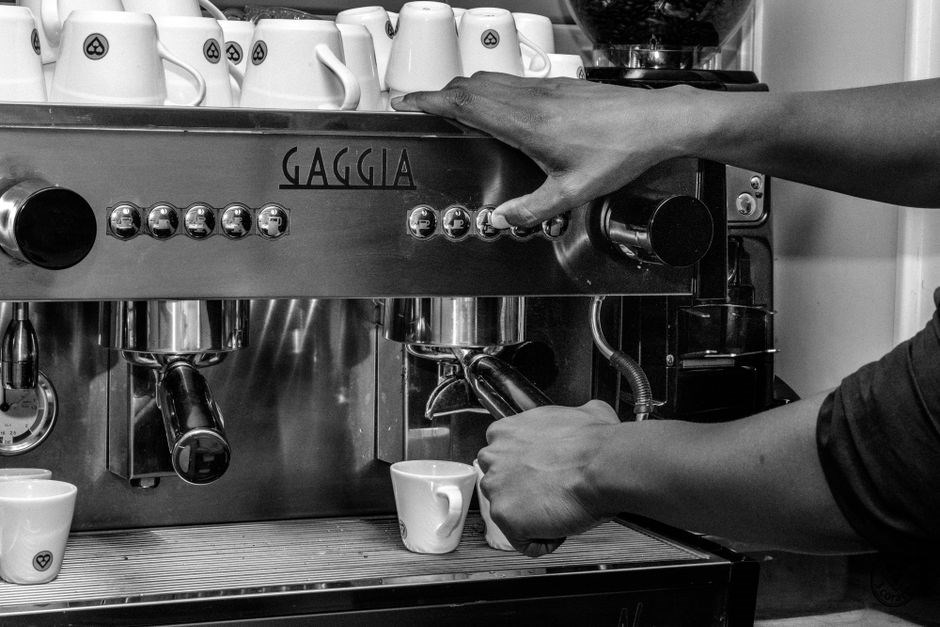
DeLonghi, founded in 1902 in Treviso, Italy, began as a small workshop producing kitchen appliances. Over decades, it expanded into espresso machines, establishing a reputation for quality craftsmanship and innovative design. By the 1980s, DeLonghi had introduced its first fully automatic espresso machine, the Magnifica, marking a pivotal shift toward convenience for home users. The brand’s positioning has consistently emphasized “Italian heritage meets modern technology,” appealing to both traditional coffee lovers and tech‑savvy consumers. Today, DeLonghi’s portfolio ranges from compact single‑serve units to high‑end multi‑function machines, each accompanied by comprehensive PDF manuals that guide users through setup, maintenance, and troubleshooting. The company’s commitment to user education is evident in the detailed, multilingual manuals available on its official website and reputable third‑party repositories, reinforcing DeLonghi’s image as a customer‑centric, reliable coffee solution provider worldwide.
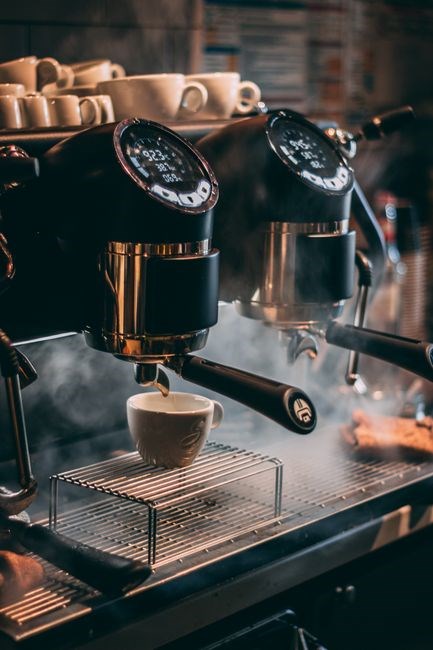
Additional details emphasize the evolution of DeLonghi manuals, highlighting the transition from paper to digital PDFs, multilingual support, and the integration of troubleshooting guides directly into the PDF. The manuals now often include QR codes linking to video tutorials, making it easier for users to follow step‑by‑step instructions. Moreover, DeLonghi’s commitment to sustainability is reflected in the eco‑friendly printing of manuals and the provision of downloadable PDFs to reduce paper waste.Info
Key Features Highlighted in Manuals
DeLonghi’s PDF manuals emphasize a suite of user‑centric features that streamline coffee preparation and maintenance. First, the manuals detail the fully automatic milk frothing system, explaining how the machine’s built‑in frother creates silky micro‑foam for lattes and cappuccinos, and how to adjust temperature and texture. Second, the adjustable brew strength and volume settings are highlighted, allowing users to customize espresso intensity from light to extra‑strong, with clear step‑by‑step instructions for each setting. Third, programmable timers and pre‑heat functions are covered, letting users schedule brewing times and ensuring the machine reaches optimal temperature before use. Fourth, the integrated cleaning and descaling cycles are outlined, including sensor‑driven water‑level alerts that prompt the user to refill or clean. Fifth, safety interlocks and automatic shut‑off features are explained to prevent overheating and water spills. Sixth, the manuals provide multilingual text and QR codes that link to video tutorials, enhancing accessibility for non‑English speakers. Seventh, firmware update procedures are included, ensuring the machine stays current with new features and bug fixes. Finally, the manuals list routine maintenance tasks—cleaning the brew head, descaling, and replacing the water filter—along with recommended cleaning agents and frequency guidelines to preserve flavor and machine longevity. These manuals empower users to master their DeLonghi machine with dailynow ease.
Popular DeLonghi Models with PDF Manuals
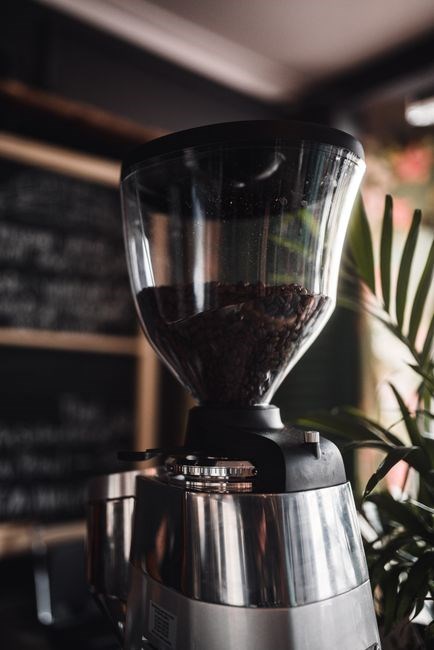
DeLonghi’s popular models—Magnifica Smart, Eletta, and Dinamica—each come with downloadable PDF manuals. These guides cover setup, brewing options, maintenance, and safety. Users can access them via DeLonghi’s official site or trusted PDF repositories for full support. Download them easily. Now
DeLonghi Magnifica Series
DeLonghi’s Magnifica series, launched in the mid‑2000s, blends classic espresso craftsmanship with modern automation. The line includes the original Magnifica, the upgraded Magnifica Smart, and the compact Magnifica Compact. Each model features a built‑in burr grinder, adjustable coffee dose, and a milk frother for cappuccinos and lattes; The user manuals, available as PDF files, provide step‑by‑step instructions for initial setup, cleaning routines, and troubleshooting common issues such as descaling alerts, grinder maintenance, and milk frother calibration. The PDFs also detail safety precautions and warranty information. Users can download manuals from DeLonghi’s website, where a search function selects by model number or product name. Repositories host the same documents, often with user‑generated tips and video links. The PDFs are formatted with clear headings, diagrams, and a searchable index, enabling navigation to specific sections like “Cleaning the Milk System” or “Adjusting Coffee Strength.” For advanced users, the Magnifica Smart’s Wi‑Fi connectivity is covered, explaining how to pair the machine with the DeLonghi app for remote operation and firmware updates. The manuals also include a troubleshooting table that matches error codes (e.g., E1, E2) to root causes and corrective actions, reducing downtime. Finally, the PDFs emphasize routine maintenance schedules—daily cleaning, weekly descaling, and monthly filter replacement to ensure optimal performance and longevity of the machine.
DeLonghi Eletta and Dinamica Models
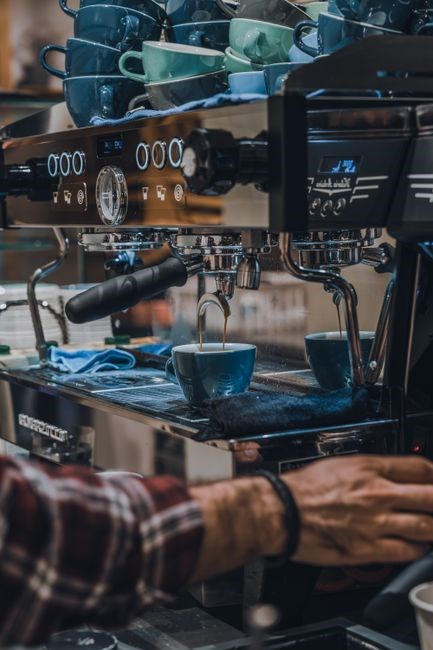
The Eletta and Dinamica ranges showcase DeLonghi’s commitment to sleek design and user‑friendly automation. Eletta machines feature a minimalist interface, integrated milk frother, and programmable espresso shots, while Dinamica models add a larger water reservoir and a more robust grinder. PDF manuals for both lines provide comprehensive guidance: from initial power‑on and calibration to advanced settings like milk temperature control and shot volume adjustment. The documents include safety warnings, cleaning schedules, and troubleshooting charts that map error codes (e.g., E3, E4) to specific faults such as water‑flow blockage or sensor failure. Users can download the PDFs directly from DeLonghi’s official support portal, where a model‑specific search yields the correct file. The manuals are structured with a clear table of contents, numbered sections, and a searchable index, allowing quick navigation to topics such as “Descaling Procedure,” “Cleaning the Milk System,” or “Firmware Update.” For Eletta owners, the PDF explains the “Smart” connectivity feature, detailing how to link the machine to the DeLonghi app for remote control and recipe sharing. Dinamica owners benefit from an extended maintenance guide that covers the larger grinder’s cleaning routine and the optional “Auto‑Clean” cycle. Both manuals emphasize the importance of using water and coffee bean storage to preserve flavor integrity. Additionally, the PDFs provide a detailed parts list and replacement schedule, ensuring users can order genuine accessories and spare parts from authorized dealers. Step‑by‑step instructions keep owners’ Eletta or Dinamica running daily, smoothly.!!
Navigate to DeLonghi’s official support page, enter your machine’s model number, and download the latest PDF manual. The file contains step‑by‑step setup, safety warnings, and troubleshooting. Always verify the version to match your device’s firmware. If PDF missing, contact support for help.ASAP
DeLonghi Official Website
The support portal also provides a FAQ section that addresses common questions about power settings, descaling, and error codes. The FAQ links directly to relevant manual sections, making it easier to locate specific information quickly. Once downloaded, you can print the manual or save it to a tablet for quick reference while brewing.
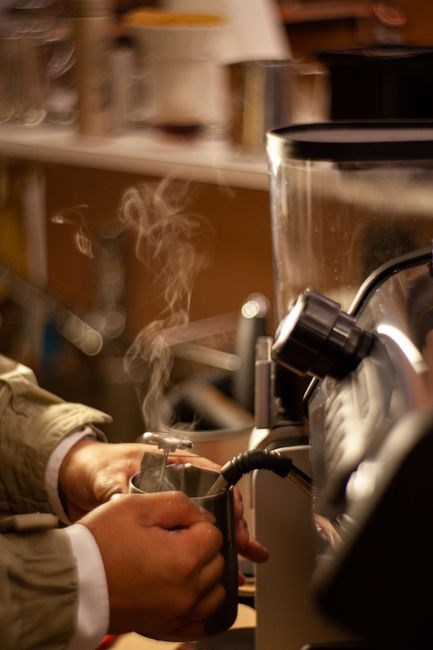
The support portal also offers video tutorials that walk through each step visually, complementing the written instructions. Remember to keep the manual in a safe place for daily reference!
Third-Party PDF Repositories
While DeLonghi’s official site is the safest source, many users turn to reputable third‑party repositories for quick access to PDF manuals. Popular sites include ManualsLib, ManualsOnline, and PDF‑Library. These platforms host user‑uploaded documents, often organized by model number and year. To locate a DeLonghi manual, enter the exact model code (e.g., ECAM 44.660 or Magnifica 115) into the search bar. The results list PDFs with preview thumbnails, allowing you to verify the version before downloading. Always check the file size and last‑modified date; newer PDFs usually contain updated safety warnings and firmware notes. Some repositories offer direct download links, while others require a free account to access the file. Users should also review the site’s privacy policy, as some sites embed tracking scripts. For the best experience, cross‑reference the downloaded manual with the official version to confirm accuracy. Additionally, community forums such as Reddit’s r/coffee or specialized coffee‑machine boards often share links to reliable PDF sources, and members can ask for help if a manual is missing. When downloading, scan the PDF for malware using an antivirus tool, and keep a backup on a USB drive or cloud storage for future reference. This approach balances convenience with safety, ensuring you have the correct manual for troubleshooting, maintenance, and optimal use of your DeLonghi machine. Ensure you keep the manual updated. Now!
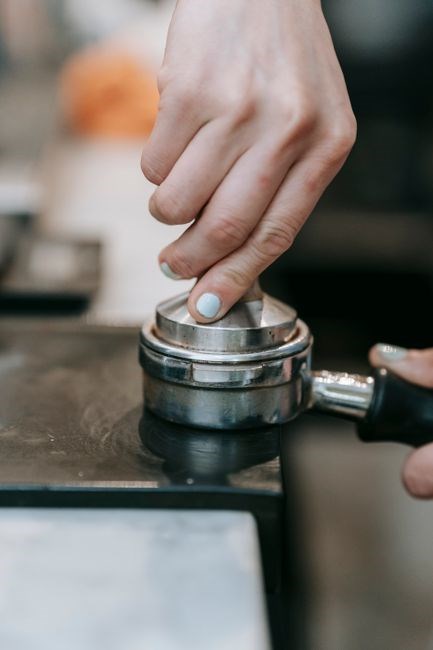
Navigating the PDF Manual Contents
PDF manuals feature a table of contents, numbered sections, and page links. Use the index to jump to brewing, cleaning, or troubleshooting. Search tools highlight keywords, while bookmarks mark key parts. Familiarizing with the layout speeds up repairs. Use bookmarks for quick reference and easy navigation
Manual Structure and Indexing
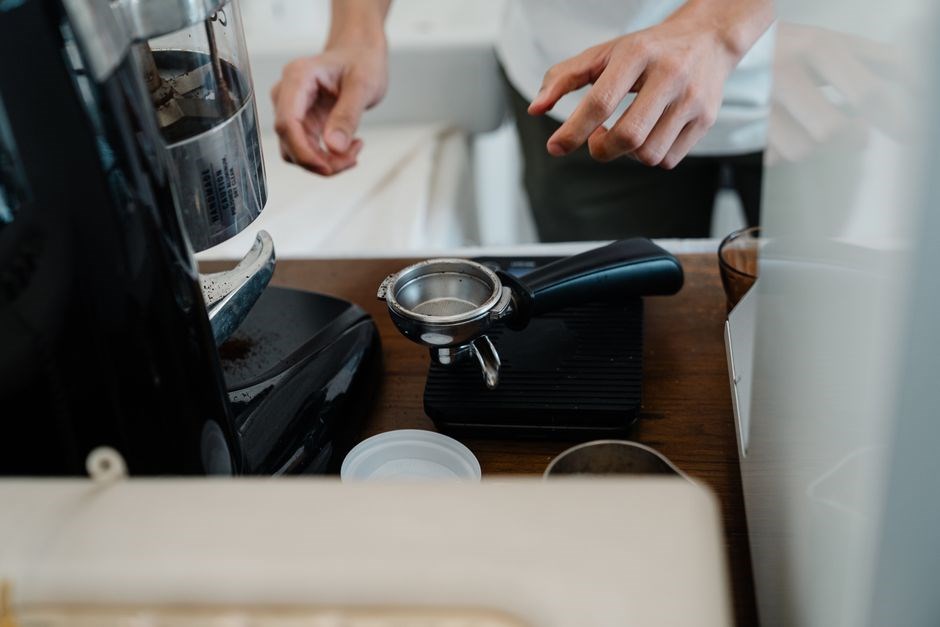
DeLonghi PDF manuals are organized into a clear, hierarchical structure that guides users from basic operation to advanced maintenance. The first section typically presents an introduction. Following this, a detailed table of contents lists numbered chapters such as “Setup and Installation,” “Brewing Parameters,” “Cleaning and Descaling,” and “Troubleshooting.” Each chapter is further divided into subheadings, often using Roman numerals or bullet points, to delineate specific tasks or settings. For example, the “Brewing Parameters” chapter may contain subsections on espresso volume, temperature control, and milk frothing techniques. The manual also includes an index at the back, alphabetically listing key terms and page references, which is especially useful for locating specific functions or error codes. Additionally, many DeLonghi PDFs embed internal hyperlinks that allow users to jump directly from the table of contents or index to the relevant page, thereby reducing the time spent scrolling. The use of consistent formatting—bold titles, italicized terms, and numbered lists helps readers quickly identify the information they need. Finally, the manual often concludes with a glossary of technical terms, a warranty section, and contact information for customer support, ensuring that users have all the resources required for optimal machine performance nowsoon! quickly.
Additionally, many DeLonghi PDFs embed internal hyperlinks that allow users to jump directly from the table of contents or index to the relevant page, thereby reducing the time spent scrolling. The use of consistent formatting—bold titles, italicized terms, and numbered lists helps readers quickly identify the information they need. Finally, the manual often concludes with a glossary of technical terms, a warranty section, and contact information for customer support, ensuring that users have all the resources required for optimal machine performance nowsoon! quickly.
Search Functionality and PDF Tools
When working with older PDF versions, compatibility issues may arise; converting the file to PDF‑A format using tools like PDFsam ensures that the document remains searchable across platforms. Some users also employ the “Search All” function in the free PDF reader SumatraPDF, which supports regular expressions for precise queries. Finally, remember that many DeLonghi manuals include a “Quick Start” page with a QR code that links to an online video tutorial; scanning the code with a smartphone can provide instant visual guidance that complements the textual search. Users can also bookmark pages for quick reference during brewing!
DeLonghi PDF manuals are organized into a clear, hierarchical structure that guides users from basic operation to advanced maintenance. The first section typically presents an introduction. Following this, a detailed table of contents lists numbered chapters such as “Setup and Installation,” “Brewing Parameters,” “Cleaning and Descaling,” and “Troubleshooting.” Each chapter is further divided into subheadings, often using Roman numerals or bullet points, to delineate specific tasks or settings. For example, the “Brewing Parameters” chapter may contain subsections on espresso volume, temperature control, and milk frothing techniques. The manual also includes an index at the back, alphabetically listing key terms and page references, which is especially useful for locating specific functions or error codes. Additionally, many DeLonghi manuals embed a “Quick Start” page with a QR code that links to an online video tutorial; scanning the code with a smartphone can provide instant visual guidance that complements the textual search.
Additionally, the PDF’s metadata often contains keywords like “maintenance” and “troubleshooting,” which can be searched using the PDF reader’s advanced search options. This feature speeds up locating specific troubleshooting steps without scrolling through the entire manual.
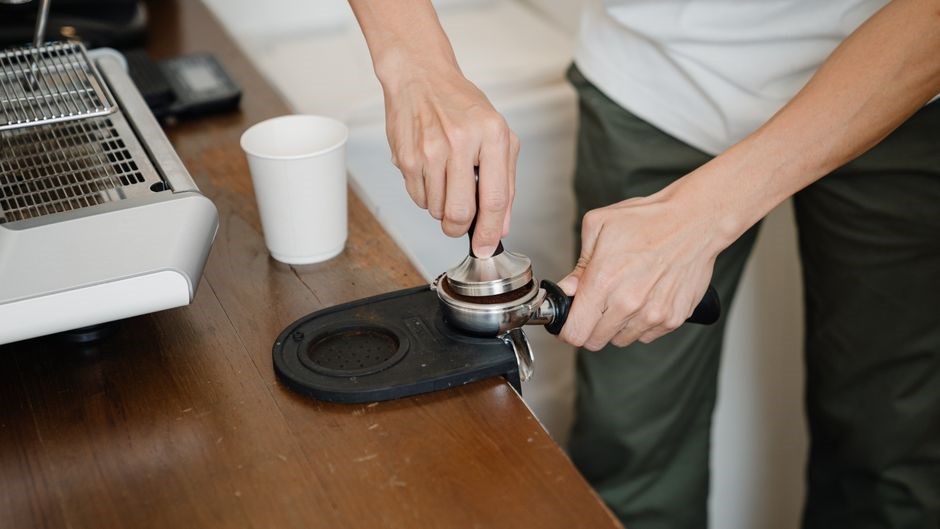
Troubleshooting Using the Manual PDF
Use the PDF’s search bar to locate error codes, then follow the step‑by‑step fixes in the troubleshooting chapter. Check the maintenance section for descaling tips, and refer to safety warnings before cleaning. Bookmark common issues for quick future reference. Refer to FAQ for more help and aid.!
Common Issues Covered in Manuals
DeLonghi manuals cover common issues such as error codes E1–E5, water‑hardness warnings, and grinder‑clog alerts. The troubleshooting guide lists step‑by‑step solutions: reset the machine, clean the brew head, descale the boiler, and replace worn filters. It explains how to interpret the LED status panel, detailing each symbol and its meaning. Users learn to troubleshoot heating‑element failures, pump‑pressure drops, and inconsistent espresso volume. The manual also covers software updates, firmware resets, and how to re‑calibrate the grinder for optimal grind size. Maintenance sections provide schedules for descaling, cleaning the milk frother, and replacing the water‑filter cartridge. Safety warnings advise against using hard water, and the manual recommends installing a water softener. Common user errors such as overfilling the water tank, using the wrong coffee bean type, or neglecting the cleaning cycle are highlighted; The FAQ section offers quick fixes for “no brew” or “leak” symptoms, and the troubleshooting flowchart guides users through diagnosing and resolving issues efficiently. The manual includes a troubleshooting table for error codes E1 (water not detected), E2 (boiler temperature too low), E3 (pump failure), E4 (grinder motor fault), and E5 (maintenance required). Users can refer to the maintenance log to track descaling intervals and filter changes, ensuring consistent quality. The troubleshooting flowchart provides a visual guide to quickly identify the root cause of common problems. OK.
Safety Instructions and Maintenance Tips
Safety instructions are essential for DeLonghi machines. The manual advises unplugging before cleaning, keeping the unit on a stable surface, and using only the supplied power cord. It warns against placing the machine on uneven surfaces and recommends a stable countertop. The water reservoir must be filled to the indicated level and the lid securely closed to prevent spills. Users should avoid using the machine while it is still hot, and avoid using it after a long brew cycle, and allow the boiler to cool before touching internal components. The manual stresses using a suitable filter and not forcing beans into the grinder to prevent clogging and overheating. It also warns against using extension cords and checking for frayed cords before each use. The safety instructions cover proper disposal of used coffee grounds, keeping the machine’s exterior dry to prevent electric shock, and ensuring the water tank is free of cracks. Maintenance tips extend the machine’s lifespan: routine cleaning of the brew head, grinder; descaling every 3 months or after 150–200 uses depending on water hardness; replacing the water filter cartridge annually; wiping the exterior with a damp cloth; checking the pump and filter for blockages; cleaning the drip tray; inspecting the water tank for cracks. By following these guidelines, users can ensure consistent performance and avoid costly repairs. Following the manual’s guidance ensures reliable daily operation,and prolongs the machine’s life.!