Red Wine Guide: A Comprehensive Overview
Red wine, fermented with grape skins and seeds, boasts depth, complexity, and tannins—inducing a drying sensation. It’s a spirit apt for all occasions and moods!
What is Red Wine?
Red wine is a truly captivating beverage, crafted from dark-colored grapes and distinguished by its fermentation process with the grape skins and seeds. This crucial step imparts not only its vibrant hue but also contributes significantly to its complex character and the presence of tannins – those compounds responsible for the delightfully drying sensation experienced in the mouth.
Unlike its white wine counterpart, red wine’s production intentionally includes these elements, resulting in a richer, more robust profile. It’s a spirit remarkably versatile, perfectly suited for a wide spectrum of occasions and capable of complementing diverse moods. From a simple Chardonnay to a sophisticated Merlot, red wine offers a world of flavors waiting to be explored.
The depth and complexity inherent in red wine make it a favorite among connoisseurs and casual drinkers alike, solidifying its place as a timeless classic.
The Science Behind Red Wine Color and Tannins
The captivating color of red wine originates from anthocyanins, pigments found in the skins of dark grapes. During fermentation, these pigments are extracted, lending the wine its ruby, garnet, or purple shades. The intensity of color depends on grape variety, skin contact time, and winemaking techniques.
Tannins, responsible for the drying sensation, are polyphenols also extracted from grape skins, seeds, and stems. They contribute to the wine’s structure, aging potential, and complexity. Think of tannins as the backbone of the wine, providing a textural element.
Interestingly, tannin levels vary significantly between grape varieties. Winemakers carefully manage tannin extraction to achieve the desired balance, creating wines ranging from smooth and approachable to bold and structured. This interplay between color and tannins defines the unique character of each red wine.
Popular Red Wine Grapes
Syrah, Grenache, and Cabernet Sauvignon often lead production, but a diverse mix of grapes thrives, offering a spectrum of flavors and aromas for enthusiasts.
Cabernet Sauvignon: The King of Red Wines
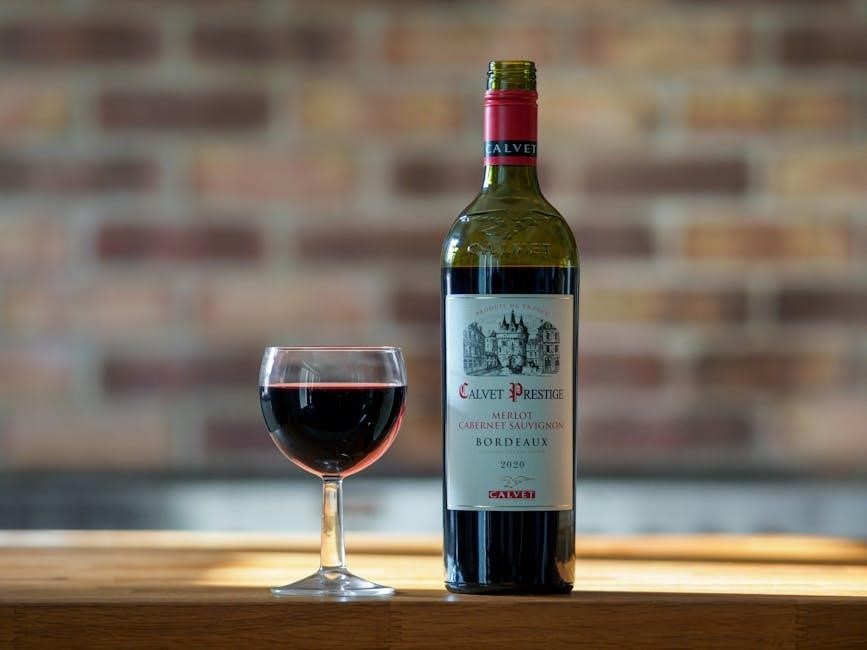
Cabernet Sauvignon reigns supreme as one of the world’s most recognized and celebrated red wine grapes, cultivated extensively across the globe. Originating from Bordeaux, France, this noble variety is renowned for its full-bodied character, high tannins, and complex flavor profile. Expect aromas of blackcurrant, cedar, and often a hint of green bell pepper, evolving with age to reveal notes of tobacco and leather.
Its thick skin contributes to its robust tannins, providing structure and aging potential. Cabernet Sauvignon often benefits from oak aging, adding layers of vanilla and spice. It frequently blends with Merlot and Cabernet Franc to soften its edges and create more approachable wines. From the prestigious vineyards of Napa Valley to the rolling hills of Chile, Cabernet Sauvignon consistently delivers wines of exceptional quality and distinction, solidifying its position as the “King” of red wines.
Merlot: A Softer, More Approachable Option
Merlot offers a delightful contrast to the bolder Cabernet Sauvignon, presenting a softer, more approachable profile that appeals to a wide range of palates. Also originating from Bordeaux, France, Merlot is known for its plush texture, moderate tannins, and vibrant fruit flavors. Expect prominent notes of red cherry, plum, and chocolate, often accompanied by herbal undertones.
Its relatively thin skin results in lower tannins compared to Cabernet Sauvignon, making it enjoyable in its youth. Merlot often serves as a blending partner, softening the angularity of Cabernet Sauvignon, but also shines as a single-varietal wine. Regions like Washington State and California produce exceptional Merlot, showcasing its versatility. It’s a fantastic choice for those seeking a smooth, fruit-forward red wine experience, offering elegance and easy-drinking appeal.
Pinot Noir: The Delicate and Complex Grape
Pinot Noir is often hailed as one of the world’s most challenging, yet rewarding, grapes to grow. Originating from Burgundy, France, it’s renowned for its delicate flavors, high acidity, and silky texture. This “heartbreak grape,” as it’s sometimes called, demands specific cool-climate conditions to thrive, resulting in wines of exceptional complexity.
Expect aromas of bright red fruit – cherry, raspberry, and cranberry – alongside earthy notes of mushroom and forest floor. Pinot Noir typically exhibits lower tannins and a lighter body compared to other red varietals. Regions like Oregon and New Zealand have gained prominence for producing world-class Pinot Noir, showcasing its ability to express terroir. It’s a wine for contemplation, offering layers of nuance and a captivating aromatic profile.
Syrah/Shiraz: Bold and Spicy
Syrah (known as Shiraz in Australia) is a powerful and aromatic grape, celebrated for its bold flavors and spicy character. Originating in the Rhône Valley of France, it thrives in warm climates, producing wines with full body and substantial tannins. Expect a captivating bouquet of black fruit – blackberry and plum – intertwined with notes of black pepper, smoked meat, and sometimes even a hint of violet.
Australian Shiraz often displays jammy fruit flavors and a plush texture, while Syrah from the Rhône tends to be more savory and structured. Arizona’s wine country also showcases this eclectic grape, alongside Grenache and Cabernet Sauvignon. It’s a versatile varietal, capable of producing both approachable everyday wines and age-worthy, complex expressions.
Grenache/Garnacha: Fruity and Warm
Grenache (known as Garnacha in Spain) is a sun-loving grape producing wines that are typically full-bodied, with moderate tannins and a warming alcohol content. It’s renowned for its vibrant red fruit flavors – think raspberry and strawberry – often accompanied by notes of spice and herbs. This versatile grape flourishes in the warm climates of the Rhône Valley in France and Spain’s Rioja and Ribera del Duero regions.
Spanish Garnacha often exhibits earthy undertones and a slightly rustic character, while French Grenache tends to be more fruit-forward and opulent. Arizona’s wine growers also cultivate Grenache, alongside Syrah and Cabernet Sauvignon, contributing to the state’s diverse wine landscape. It’s frequently blended with other varietals to add warmth and complexity.
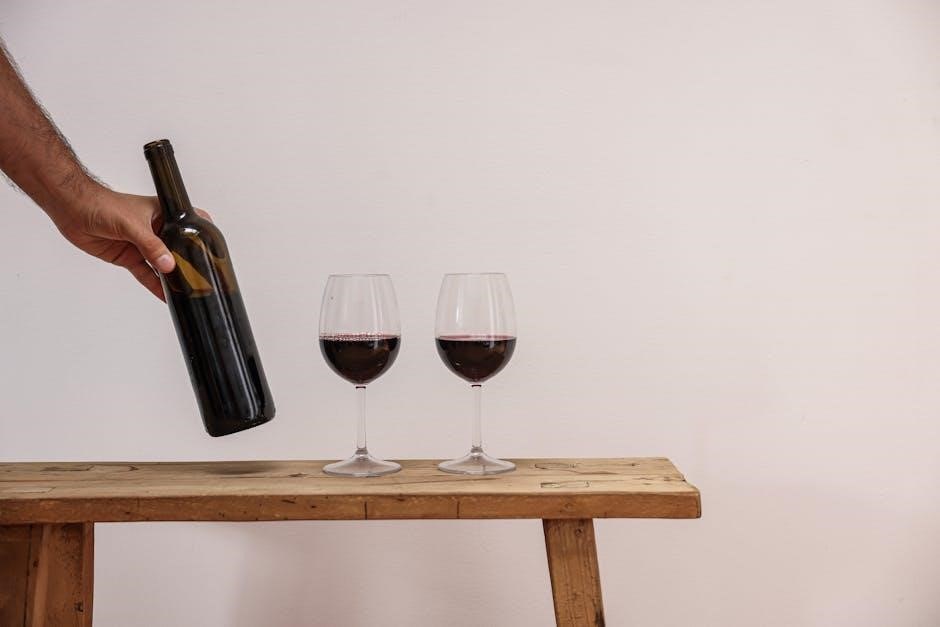
Red Wines by Region
Explore diverse red wines from France (Bordeaux, Burgundy, Rhône), Italy (Tuscany, Piedmont, Veneto), Spain (Rioja, Ribera del Duero), America, and emerging regions like Arizona and Malta.
French Red Wines: Bordeaux, Burgundy, and Rhône
France stands as a cornerstone of the red wine world, offering incredible diversity across its regions. Bordeaux, famed for its Cabernet Sauvignon and Merlot blends, delivers structured, age-worthy wines with notes of blackcurrant and cedar. Burgundy, primarily Pinot Noir, presents elegant, nuanced wines showcasing cherry, earth, and floral aromas – a true expression of terroir.
The Rhône Valley, divided into Northern and Southern sections, provides contrasting styles. Northern Rhône focuses on Syrah, yielding peppery, smoky wines, while Southern Rhône, with Grenache at its heart, produces warmer, fruit-forward blends often incorporating Syrah and Mourvèdre. These wines exhibit flavors of raspberry, spice, and garrigue (wild herbs). Each region offers a unique glimpse into French winemaking tradition and quality, making French red wines highly sought after by collectors and enthusiasts alike.
Italian Red Wines: Tuscany, Piedmont, and Veneto
Italy boasts a remarkable spectrum of red wines, deeply rooted in its diverse terroirs. Tuscany, home to Sangiovese, produces iconic wines like Chianti Classico and Brunello di Montalcino, celebrated for their cherry, leather, and earthy notes, alongside firm tannins. Piedmont, renowned for Nebbiolo, crafts Barolo and Barbaresco – powerful, aromatic wines with rose petal, tar, and red fruit characteristics, requiring significant aging.
Veneto, while known for Prosecco, also delivers robust reds like Amarone della Valpolicella, made from partially dried grapes, resulting in concentrated flavors of black cherry, chocolate, and spice. These regions exemplify Italy’s commitment to tradition and quality, offering wines that beautifully reflect their unique landscapes and grape varieties, captivating wine lovers worldwide.
Spanish Red Wines: Rioja and Ribera del Duero
Spain presents a treasure trove of red wines, offering fantastic value and diverse flavors. Rioja, famed for Tempranillo, delivers wines exhibiting red fruit, vanilla, and oak nuances, often aged in American oak, imparting a distinctive character. The region’s classification system – Crianza, Reserva, and Gran Reserva – indicates aging periods and quality levels.
Ribera del Duero, also centered around Tempranillo (known locally as Tinto Fino), produces powerful, concentrated wines with black fruit, spice, and mineral notes. These wines often benefit from extended oak aging, resulting in complex and age-worthy expressions. Discovering these Spanish reds unveils a world of rich tradition and exceptional quality, waiting to be explored by enthusiasts.
American Red Wines: California, Oregon, and Washington
American red wine production thrives across diverse terroirs. California, particularly Napa and Sonoma, excels with Cabernet Sauvignon, Merlot, and Pinot Noir, showcasing ripe fruit flavors and often, noticeable oak influence. The warm climate contributes to full-bodied, approachable wines. Oregon, renowned for its cool climate, produces elegant Pinot Noir with earthy undertones and bright acidity.
Washington State, benefiting from unique geological features, delivers Cabernet Sauvignon, Syrah, and Merlot with concentrated flavors and balanced structure. Arizona’s wine country, though lesser-known, cultivates a surprising variety of grapes, including Syrah, Grenache, and Cabernet Sauvignon, demonstrating a growing viticultural scene. These regions collectively offer a spectrum of red wine styles.
Emerging Wine Regions: Arizona and Malta
Arizona’s wine country is surprisingly eclectic, cultivating nearly 80 grape varieties, with Syrah, Grenache, and Cabernet Sauvignon leading production. A recent Cooperative Extension report highlights this diversity, showcasing a growing viticultural landscape despite challenging desert conditions. Winemakers are experimenting with innovative techniques to thrive in this arid climate, yielding unique and promising results.
Malta, an island nation with a long winemaking history, is rediscovering its indigenous grape varieties. Scientists have identified ten previously undocumented types, alongside the established Ġellewża and other local grapes. This renewed interest aims to preserve Malta’s winemaking heritage and offer distinctive wines reflecting the island’s terroir, presenting exciting possibilities for wine enthusiasts.
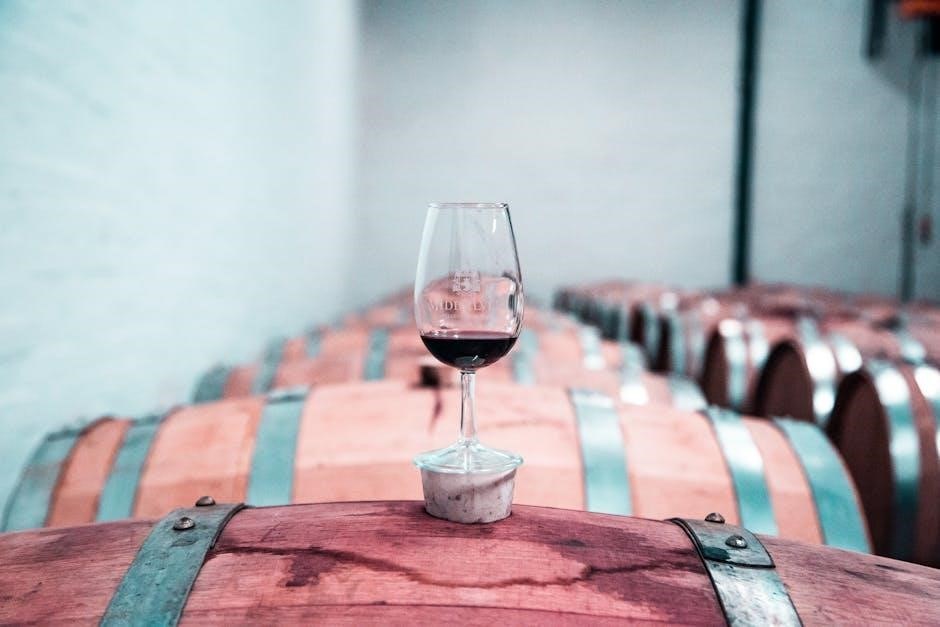
Understanding Red Wine Flavors
Red wines exhibit diverse flavors – from bright fruit notes like cherry and raspberry, to spice hints of pepper and clove, and earthy undertones.
Fruit Flavors: Cherry, Raspberry, Blackberry
The spectrum of fruit flavors in red wine is remarkably broad, offering a delightful sensory experience for enthusiasts. Red wines frequently showcase vibrant red fruit characteristics, prominently featuring the juicy sweetness of cherry. This can range from bright, fresh cherry notes in lighter-bodied wines to darker, more concentrated cherry flavors in fuller-bodied varieties.
Raspberry contributes a tart and slightly floral element, adding complexity and lift to the wine’s profile. Depending on the grape and winemaking techniques, raspberry flavors can be delicate and nuanced or bold and pronounced. Blackberry, often found in richer, more powerful red wines, introduces a darker, more jammy fruit character, providing depth and intensity.
These fruit flavors aren’t isolated; they often intertwine with other flavor components, creating a harmonious and layered taste experience. The specific fruit profile will vary based on the grape varietal, the region where the grapes were grown, and the wine’s age.
Spice Flavors: Pepper, Cinnamon, Clove
Beyond the fruit-forward notes, red wines often exhibit a captivating array of spice flavors, adding layers of complexity and intrigue. Pepper, particularly black pepper, is a common characteristic, lending a subtle warmth and a savory edge to the wine’s profile. This spiciness can range from a gentle hint to a more pronounced, peppery kick, depending on the grape and terroir.
Cinnamon introduces a sweeter, warmer spice note, often found in wines aged in oak. It adds a comforting and inviting quality, complementing the fruit flavors beautifully. Clove, another warm spice, contributes a slightly pungent and aromatic element, enhancing the wine’s overall complexity.
These spice flavors aren’t merely additions; they integrate with the fruit and other flavor components, creating a harmonious and balanced taste experience. The presence and intensity of spice notes can be influenced by factors like grape varietal, climate, and winemaking techniques.
Earthy Flavors: Mushroom, Forest Floor
Delving deeper into the complexity of red wine, we encounter earthy flavors – subtle yet profoundly impactful nuances that evoke the natural world. These aromas and tastes aren’t about literal dirt, but rather a sense of grounding and connection to the land where the grapes were grown. Mushroom is a frequently detected earthy note, lending a savory, umami-rich quality to the wine.
The aroma of forest floor, reminiscent of damp leaves and decaying wood, adds a layer of intriguing complexity. These earthy tones often develop in wines from cooler climates or those grown in vineyards with significant organic matter in the soil. They contribute to a wine’s ageability and overall character.
Earthy flavors often intertwine with fruit and spice notes, creating a harmonious and balanced profile. They are particularly prominent in wines like Pinot Noir and Nebbiolo, enhancing their elegance and depth.
Oak Flavors: Vanilla, Cedar, Toast
Oak aging is a cornerstone of red winemaking, imparting a spectrum of delightful flavors that significantly enhance the wine’s complexity. These aren’t inherent to the grape itself, but rather derived from the wood of the oak barrels used during fermentation or maturation. Vanilla is a classic oak-derived flavor, adding a sweet, creamy note that softens the wine’s structure.
Cedar contributes a subtle woody aroma, often described as pencil shavings or a freshly built cabinet, lending elegance and sophistication. Toast flavors, ranging from light biscuit notes to richer, smoky aromas, develop depending on the level of charring inside the barrel.
The intensity of oak flavors depends on the type of oak (French, American, etc.), the age of the barrel, and the length of time the wine spends in contact with the wood. These flavors beautifully complement fruit and spice notes, creating a well-rounded and harmonious wine.
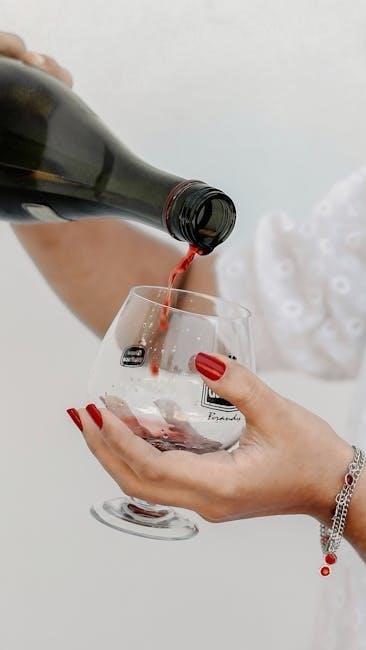
Serving and Pairing Red Wine
Optimal serving temperatures and thoughtful food pairings elevate the red wine experience, unlocking its full potential and creating harmonious combinations for enjoyment.
Optimal Serving Temperatures
Serving red wine at the correct temperature is crucial for maximizing its aromas and flavors, significantly impacting the overall tasting experience. Generally, lighter-bodied reds, like Beaujolais or some Pinot Noirs, are best enjoyed slightly chilled, around 60-65°F (15-18°C). This temperature highlights their fruity characteristics and refreshing acidity.
Medium-bodied reds, such as Merlot or Grenache, thrive at temperatures between 65-70°F (18-21°C). This range allows their nuanced flavors to unfold without being overshadowed by alcohol warmth. Fuller-bodied reds, including Cabernet Sauvignon and Syrah/Shiraz, benefit from being served at 70-75°F (21-24°C). This temperature showcases their complex structure, tannins, and rich fruit profiles.
Avoid serving red wine too warm, as this can accentuate the alcohol and diminish the delicate aromas. Conversely, serving it too cold can mute its flavors. A wine thermometer is a helpful tool for precise temperature control, ensuring each glass is enjoyed at its peak potential.
Red Wine and Food Pairing Guide
Pairing red wine with food elevates both the dining and drinking experience, creating harmonious combinations. Lighter-bodied reds, like Pinot Noir, complement earthy dishes such as mushrooms, salmon, and roasted vegetables. Their delicate flavors won’t overpower subtle cuisine.
Medium-bodied reds, including Merlot, pair beautifully with roasted chicken, pork tenderloin, and pasta with tomato-based sauces. These wines offer enough structure to stand up to richer flavors without being overwhelming. Bold, full-bodied reds like Cabernet Sauvignon and Syrah/Shiraz are ideal with grilled steak, lamb, and hearty stews.
Tannic wines benefit from fatty cuts of meat, as the tannins cut through the richness. Fruity reds work well with spiced dishes. Experimentation is key – discover your personal preferences and enjoy the journey!
Decanting Red Wine: When and Why
Decanting red wine – pouring it from the bottle into a separate vessel – serves several purposes, enhancing the overall enjoyment. Young, tannic wines benefit greatly from decanting, as it softens those harsh tannins, making the wine more approachable and smoother on the palate. This process allows the wine to “breathe,” opening up its aromas and flavors.
Older wines, however, may be decanted to separate them from sediment that has formed over time. Gently pouring the wine, leaving the sediment behind, ensures a clear and enjoyable drinking experience. The duration of decanting varies; younger wines might need 30-60 minutes, while older wines may only require 15-30 minutes.
Ultimately, decanting isn’t always necessary, but it can significantly improve the wine’s presentation and taste.
Red Wine Storage Tips
Proper red wine storage is crucial for preserving its quality and allowing it to age gracefully. The ideal storage conditions involve a cool, dark place with consistent temperature, ideally around 55-65°F (13-18°C). Fluctuations in temperature can damage the wine.
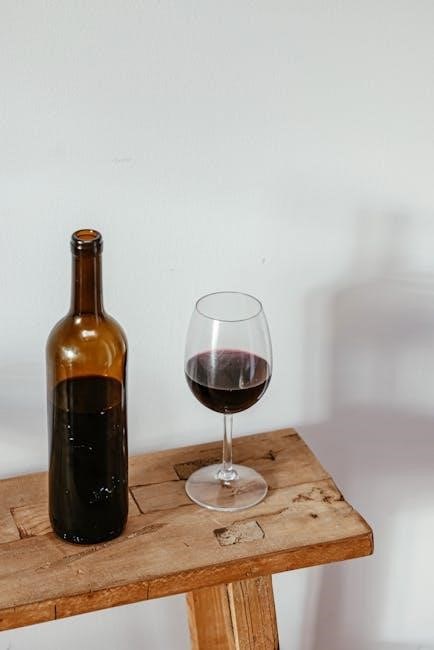
Humidity is also important, aiming for 60-70% to prevent the cork from drying out and allowing air to enter the bottle. Store bottles horizontally to keep the cork moist. Avoid direct sunlight and vibrations, as these can negatively impact the wine’s development.
If you lack a wine cellar, a cool closet or basement can suffice. Long-term storage requires more careful consideration, but even short-term storage benefits from these basic principles.
Lesser-Known Red Wine Grapes
Tannat, a powerful and rustic grape, hails from the Don River region in Russia, while Malta boasts Ġellewża and other indigenous varieties!
Tannat: A Powerful and Rustic Grape
Tannat is a captivating, yet often overlooked, red wine grape with a rich history and a reputation for producing intensely structured wines. Traditionally cultivated in the Madiran region of southwestern France, and more recently gaining traction in Uruguay, this grape delivers a truly unique experience for the palate.
Known for its thick skins, Tannat yields wines brimming with robust tannins – hence the name! These tannins, while initially quite assertive, soften with age, revealing layers of dark fruit flavors like blackberry and plum, alongside notes of spice and even chocolate. The variety is described as capricious and intolerant of frost, making viticulture challenging.
Winemakers are increasingly experimenting with different winemaking techniques to tame Tannat’s boldness, resulting in wines that are both powerful and approachable. Expect a full-bodied wine with a long finish, perfect for pairing with hearty dishes like grilled meats and aged cheeses. It’s a grape for those who appreciate a wine with character and a story to tell.
Rkatsiteli: An Ancient Russian Variety
Rkatsiteli (pronounced rah-kah-tsi-TEH-lee) stands as one of the oldest known grape varieties, deeply rooted in the viticultural history of Georgia and, subsequently, Russia. Traditionally grown in the Don River region of southern Russia, this white grape – despite appearing in a red wine guide due to its increasing role in red blends – is experiencing a remarkable resurgence in winemaking.
Historically, Rkatsiteli was prized for its ability to withstand harsh climates, though it’s known to be intolerant of frost, presenting a challenge for growers. Winemakers are now rediscovering its potential, crafting wines that showcase its bright acidity, subtle floral aromas, and flavors of green apple and citrus.
While often used to produce dry, crisp white wines, Rkatsiteli is also being explored for its contribution to rosé and even red wine blends, adding complexity and structure. It’s a testament to the enduring legacy of ancient grape varieties and the innovative spirit of modern winemakers.
Ġellewża and other Maltese Indigenous Grapes
Malta, an island nation steeped in history, is quietly emerging as a fascinating wine region, boasting a wealth of previously undocumented indigenous grape varieties. Until recently, only two wine grapes – Ġellewża (pronounced jel-LEW-zah) and Ġirgħa – were officially recognized, forming the backbone of Maltese winemaking.
However, recent scientific discoveries have revealed a stunning ten previously undocumented varieties, opening exciting new possibilities for Maltese wines. Ġellewża, a red grape, produces wines with vibrant cherry flavors, subtle spice notes, and a characteristic Mediterranean herbal quality. These grapes are uniquely adapted to the island’s warm, dry climate and limestone-rich soils.
Winemakers are now actively exploring these newly identified grapes, aiming to showcase the unique terroir of Malta and create wines that reflect the island’s rich cultural heritage. This represents a thrilling chapter in Maltese viticulture.