The Five Tibetan Rites, an ancient exercise program practiced for over 2,500 years, aim to benefit the body, mind, and emotions.
These rites offer a holistic approach to wellness, and readily available five tibetan rites pdf guides can help you begin your journey.
Healthline provides a step-by-step guide, detailing the exercises and their potential impact on various health conditions, making it a valuable resource.
Historical Origins and Background
The origins of the Five Tibetan Rites are steeped in mystery, tracing back to an ancient Tibetan monastery, as described in various five tibetan rites pdf resources. Legend has it that these rites were developed by monks seeking to maintain physical and mental vitality in the harsh Himalayan environment.
Peter Kelder, an English soldier, brought the rites to the West in the 1930s after encountering them during his travels. He learned the practice from a yogi who claimed the rites were practiced for centuries to preserve the health and longevity of the monks.
While the exact historical details remain somewhat obscure, the rites have gained popularity as a holistic exercise system. Many five tibetan rites pdf guides emphasize the rites’ connection to ancient yogic traditions and their potential to unlock inner energy. Healthline’s article highlights the rites’ long-standing practice, spanning over 2,500 years, suggesting a rich and enduring legacy.
The rites’ enduring appeal lies in their simplicity and accessibility, making them a valuable practice for those seeking a natural path to wellness.
The Core Philosophy Behind the Rites
The core philosophy underpinning the Five Tibetan Rites centers around the concept of channeling vital energy, or “prana,” throughout the body. Many five tibetan rites pdf guides explain that the rites work by stimulating and balancing the body’s energy centers, known as chakras.
This energetic approach aims to promote physical, mental, and emotional well-being. The rites are not merely physical exercises; they are considered a form of moving meditation, encouraging mindfulness and inner awareness.
Healthline’s overview emphasizes the rites’ holistic benefits, impacting the body, mind, and emotions. The practice is believed to clear energetic blockages, improve circulation, and enhance the body’s natural healing abilities. Five tibetan rites pdf resources often highlight the importance of intention and focused breathing during each rite to maximize its energetic effects.
Ultimately, the philosophy emphasizes self-healing and achieving a harmonious balance between body, mind, and spirit.
Understanding the Five Rites
The Five Tibetan Rites consist of a series of exercises designed to invigorate the body and mind; many five tibetan rites pdf guides detail each rite.
Healthline’s resource provides a comprehensive overview of each movement, offering a clear path to understanding and practice.
Rite One: Spinal Twists

Rite One, the spinal twist, is the foundational movement within the Five Tibetan Rites, initiating the energetic flow throughout the body; Many five tibetan rites pdf resources emphasize the importance of proper alignment for maximizing benefits and preventing injury.
Typically, this rite involves standing with feet shoulder-width apart, palms facing forward, and then twisting the torso from side to side, allowing the arms to swing naturally. Healthline’s guide suggests focusing on controlled movements, coordinating the breath with each twist – inhaling as you face forward and exhaling during the rotation.
Beginners often start with a smaller range of motion, gradually increasing the twist as flexibility improves. The pdf guides often recommend starting with just three repetitions and progressively increasing to a maximum of 21 repetitions, observing how your body responds. Consistent practice of this rite is believed to stimulate the internal organs and enhance spinal flexibility.
Remember to listen to your body and avoid pushing beyond your comfortable limits.
Rite Two: Leg Raises
Rite Two, the leg raise, builds upon the foundation established by the spinal twist, focusing on strengthening the lower back and abdominal muscles. Numerous five tibetan rites pdf guides detail the correct form to avoid strain and maximize effectiveness.
This rite typically begins standing with feet together, arms at your sides, and then slowly raising the legs straight out in front, keeping the knees locked. Simultaneously, inhale deeply and lift the torso forward, maintaining a straight back. Exhale as you slowly lower both legs and the torso back to the starting position.
Healthline’s resources suggest starting with a limited range of motion, especially for beginners, and gradually increasing the height of the leg raise as strength improves. Pdf instructions often recommend starting with three repetitions, building up to 21, while paying close attention to maintaining core engagement.
Proper breathing is crucial; coordinate each movement with your breath for optimal results.
Rite Three: Spinal Bends
Rite Three, the spinal bend, is a dynamic exercise designed to increase flexibility in the spine and stimulate the abdominal organs. Many five tibetan rites pdf resources emphasize the importance of controlled movements to prevent injury and reap the full benefits.
Begin by standing with feet shoulder-width apart, knees slightly bent, and arms extended forward. Inhale deeply as you bend forward from the waist, keeping your back straight and allowing your arms to hang loosely. Exhale as you return to the upright position, engaging your core muscles.
Pdf guides often highlight the need to avoid jerky motions and focus on a smooth, flowing movement. Healthline’s step-by-step instructions recommend starting with three repetitions, gradually increasing to 21, while listening to your body’s limitations.
This rite promotes spinal health and can aid in digestion, making it a vital component of the Five Tibetan Rites sequence.
Rite Four: Table Top Position
Rite Four, often called the Table Top position, focuses on strengthening the back and core muscles while improving posture. Numerous five tibetan rites pdf guides detail the correct alignment for maximizing benefits and minimizing strain.
Begin by sitting on the floor with your knees bent and feet flat. Place your hands behind you, fingers pointing towards your feet. Lift your hips off the floor, creating a “table top” shape with your body. Your weight should be distributed evenly between your hands and feet.
Pdf resources frequently advise maintaining a straight line from your shoulders to your knees. Healthline’s instructions suggest starting with three repetitions, building up to 21, and focusing on deep, controlled breathing throughout the exercise.
This rite is known to enhance spinal stability and can alleviate lower back pain, making it a crucial element of the Five Tibetan Rites practice.
Rite Five: Spinal Arch and Forward Bend
Rite Five, the final rite, combines a spinal arch with a forward bend, promoting spinal flexibility and stimulating the internal organs. Many five tibetan rites pdf guides emphasize the importance of a controlled movement to avoid injury.
Begin in a seated position with your knees bent and feet flat. Inhale deeply and arch your spine forward, dropping your head towards your knees. Exhale as you return to an upright seated position. This creates a wave-like motion through the spine.

Pdf instructions often highlight the need to keep your back straight during the arch and avoid rounding. Healthline’s guide recommends starting with three repetitions, gradually increasing to 21, synchronized with your breath.
This rite is believed to improve digestion and circulation, completing the holistic benefits of the Five Tibetan Rites sequence.
Benefits of Practicing the Five Tibetan Rites
The Five Tibetan Rites offer benefits for the body, mind, and emotions, as detailed in many five tibetan rites pdf resources.
These rites may increase energy, flexibility, and reduce stress, improving overall wellness.
Physical Benefits: Increased Energy and Flexibility
The Five Tibetan Rites, as outlined in numerous five tibetan rites pdf guides, are renowned for their profound physical benefits. Practitioners often report a significant increase in energy levels, combating fatigue and promoting vitality throughout the day. This surge in energy isn’t simply a temporary boost; it’s a sustained enhancement stemming from improved circulation and hormonal balance.
Furthermore, the rites dramatically enhance flexibility. Each movement systematically stretches and strengthens muscles and connective tissues, increasing range of motion in joints. This improved flexibility isn’t limited to specific areas; it permeates the entire body, leading to greater ease of movement and reduced risk of injury.
Consistent practice, guided by a comprehensive five tibetan rites pdf, can lead to noticeable improvements in posture, balance, and overall physical resilience. The rites work to revitalize the body’s internal systems, fostering a sense of physical well-being and youthful vigor.
Mental and Emotional Benefits: Stress Reduction and Clarity
Beyond the physical realm, The Five Tibetan Rites, detailed in accessible five tibetan rites pdf resources, offer substantial mental and emotional advantages. The rhythmic, flowing movements act as a form of active meditation, calming the nervous system and reducing the production of stress hormones like cortisol. This leads to a noticeable decrease in feelings of anxiety and overwhelm.
Regular practice cultivates a sense of inner peace and emotional stability. By focusing on breath and movement, practitioners can quiet the mental chatter and achieve a state of mindful presence. Many users report enhanced mental clarity and improved focus, allowing for greater productivity and decision-making ability.
A well-structured five tibetan rites pdf will often emphasize the importance of intention during practice, further amplifying these psychological benefits. The rites promote a harmonious connection between mind, body, and spirit, fostering overall emotional well-being.
Potential Health Conditions Addressed
While not a cure-all, consistent practice of The Five Tibetan Rites, as outlined in many five tibetan rites pdf guides, may offer supportive benefits for certain health conditions. Healthline highlights the potential for positive impact, though further research is always recommended. Individuals exploring management of conditions like Ulcerative Colitis, Bipolar Disorder, Geographic Atrophy, and Type 2 Diabetes may find the rites a complementary practice.
The increased energy and improved circulation fostered by the rites can contribute to overall vitality, potentially easing symptoms associated with these conditions. However, it’s crucial to consult with a healthcare professional before incorporating the rites into a treatment plan.
A comprehensive five tibetan rites pdf should not present the rites as a replacement for conventional medical care, but rather as a potential tool for enhancing well-being alongside established treatments.
Performing the Rites Correctly
Five Tibetan Rites pdf guides emphasize proper form and technique for optimal benefits. Accurate execution, detailed in these resources, is vital for safety and effectiveness.
Proper Form and Technique
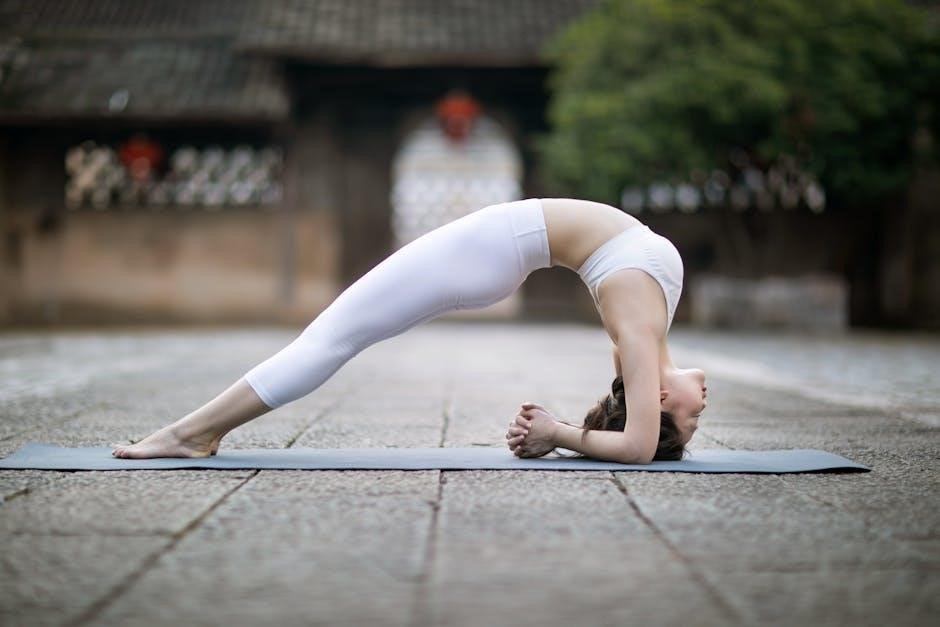
Five Tibetan Rites pdf resources consistently highlight the importance of precise form to maximize benefits and prevent injury. Many guides include detailed illustrations or even video links demonstrating each rite’s correct execution.
For example, in Rite One, spinal twists should be performed with a stable base and controlled movements, avoiding jerky motions. Rite Two’s leg raises require maintaining a straight back and engaging core muscles.
Guides often stress the need to listen to your body, modifying the intensity or range of motion as needed. Beginners are advised to start slowly, gradually increasing repetitions as strength and flexibility improve.
A quality five tibetan rites pdf will break down each step, offering cues for alignment and common mistakes to avoid. Paying attention to these details ensures you’re performing the rites safely and effectively, unlocking their full potential.
Breathing Techniques During Each Rite
Five Tibetan Rites pdf guides universally emphasize the crucial role of breath synchronization. Proper breathing amplifies the benefits of each rite, enhancing energy flow and promoting relaxation.
Typically, inhalation accompanies the preparatory phase of a movement, while exhalation occurs during the exertion. For instance, in Rite One, inhale as you prepare to twist and exhale during the twisting motion.
Many resources recommend deep, diaphragmatic breathing – filling the lungs completely from the abdomen. Some guides suggest counting breaths to maintain rhythm and focus.
A comprehensive five tibetan rites pdf will detail the specific breathing pattern for each rite, often highlighting how breathwork supports the physical movement. Consistent, mindful breathing is key to experiencing the full transformative power of these ancient exercises.
Finding a “Five Tibetan Rites PDF” Resource
Numerous five tibetan rites pdf guides are available online, offering detailed instructions. Healthline provides a comprehensive resource, simplifying the practice for beginners and enthusiasts.
Reliable Sources for PDF Guides
Locating trustworthy five tibetan rites pdf resources requires careful consideration. Healthline emerges as a prominent and reliable source, offering a well-structured guide published on September 24, 2019. Their detailed explanation breaks down each rite with clarity, making it accessible for all fitness levels.
Beyond Healthline, exploring websites dedicated to yoga, holistic health, and ancient Tibetan practices can yield valuable PDFs. However, always prioritize sources that emphasize proper form and technique to prevent injuries. Look for guides created by experienced practitioners or those with a background in related fields.
Be cautious of PDFs from unknown or unverified sources, as the information may be inaccurate or incomplete. Cross-reference information from multiple sources to ensure consistency and accuracy. A quality PDF will not only detail the exercises but also explain the underlying philosophy and breathing techniques, enhancing your overall practice.
What to Look for in a Quality PDF
A superior five tibetan rites pdf guide transcends simply listing the exercises. It should provide detailed, clear instructions for each rite, emphasizing proper form and technique to maximize benefits and minimize risk of injury. Visual aids, like illustrations or photos, are invaluable for understanding correct alignment.
Furthermore, a comprehensive PDF will explain the importance of breathing techniques synchronized with each movement. It should also delve into the core philosophy behind the rites, connecting the physical practice to mental and emotional wellbeing. Look for guides that address potential modifications for individuals with varying fitness levels or physical limitations.
Finally, a trustworthy PDF will acknowledge the potential benefits for specific health conditions, as highlighted by resources like Healthline, but will also advise consulting a healthcare professional before starting any new exercise program. Prioritize PDFs that promote a holistic and mindful approach to the Five Tibetan Rites.